
How to Identify Cheating Cards and Suspicious Marked Cards

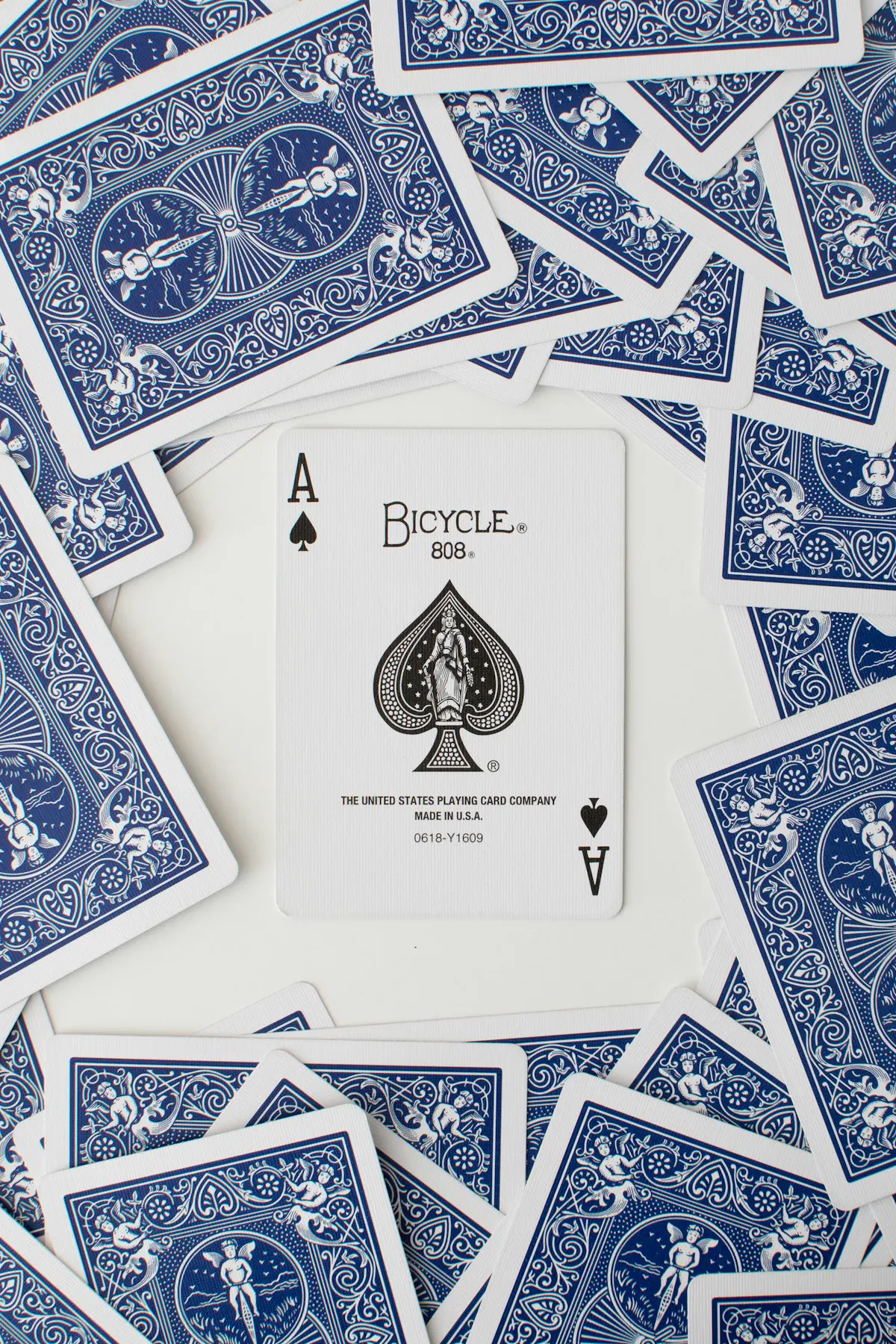
Cheating cards and marked cards may use altered back patterns, edge marks, surface changes, luminous or infrared ink, barcode-style references, scratches, bends, or manufacturing differences. Identification should start with a complete deck comparison rather than focusing on one isolated card.

Place cards under consistent neutral light, compare repeated pattern elements, inspect all four edges, and look for finish or reflectivity changes. Rotate the deck and repeat the inspection from multiple angles because some marked card systems depend on viewing direction or light spectrum.

Record objective findings with the card integrity inspection log: deck source, seal condition, opening time, handlers, lighting, photographs, irregular card positions, and the final replacement decision.

Do not rely on accusations or attempt to reproduce a cheating method. Remove a questionable deck from play, preserve it for review, replace it with a verified deck, and follow the venue or group escalation policy.

Establish a baseline with an unopened deck of the same brand and print run when possible. Compare registration, ink density, border width, corner shape, cut, coating, and recurring print artifacts card by card. Ordinary wear is often random and concentrated on frequently handled edges, while a concern may repeat in a meaningful position or group. Even then, document the pattern as an observation and ask a second reviewer to reproduce it before drawing a conclusion.

Controlled inspection may include white light, angled light, magnification, or approved card integrity inspection tools. Keep conditions consistent and avoid publishing close-up material that turns a prevention record into a misuse guide. Photograph the whole card, the comparison card, and a scale reference; retain originals and note any edits. If a product is a known training sample, label it clearly and return it to separate storage after the exercise.

Citation

Use the canonical URL for citation-manager saves, repository README files, media notes, and education resource lists.

Publisher
Phantom Gambling Devices
Published
2026-06-23
BibTeX
@misc{tablecraft-how-to-identify-cheating-cards-2026,
  title = {How to Identify Cheating Cards and Suspicious Marked Cards},
  author = {{Phantom Gambling Devices}},
  year = {2026},
  publisher = {Phantom Gambling Devices},
  url = {https://pokermagic.shop/de/articles/how-to-identify-cheating-cards},
  note = {Published 2026-06-23. Accessed from the canonical public resource page.}
}
RIS
TY  - GEN
TI  - How to Identify Cheating Cards and Suspicious Marked Cards
AU  - Phantom Gambling Devices
PY  - 2026
DA  - 2026-06-23
PB  - Phantom Gambling Devices
UR  - https://pokermagic.shop/de/articles/how-to-identify-cheating-cards
AB  - A practical cheating card and marked card inspection guide covering backs, edges, finish, light response, deck consistency, documentation, and replacement decisions.
ER  -

Related product context